Hygiene and Preventive Care
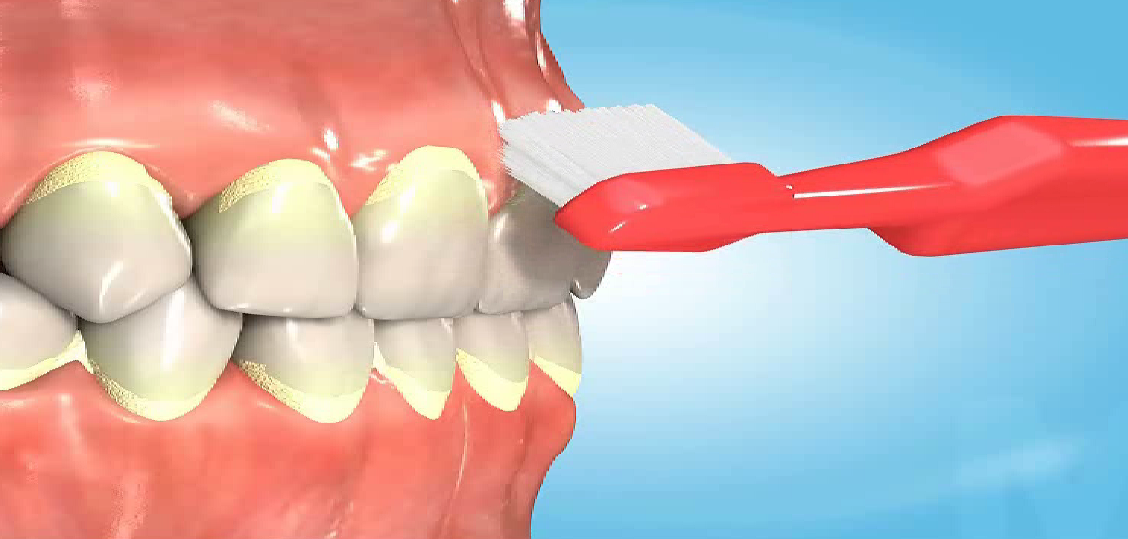
Both natural teeth and teeth with restorations survive best in an oral environment that is clean and where the intake of harmful foods is controlled. Our program is designed to help prevent new cavities, preserve teeth that have been restored and manage periodontal disease. At the initial visit oral hygiene instructions are reviewed and are reinforced at subsequent recall visits. The following are helpful recommendations:
- Brush your teeth twice a day in a circular motion with a soft bristled toothbrush aimed at the gum.
- Floss every night in an up-and-down motion while keeping the floss in a U-shape and against the tooth surface.
- Avoid smoking.
- Avoid sticky sugary foods.
- Eat a balanced diet.
- Use antiseptic and fluoride rinses as directed.
- Have sealants placed on young permanent teeth.
Cosmetic and Restorative Dentistry
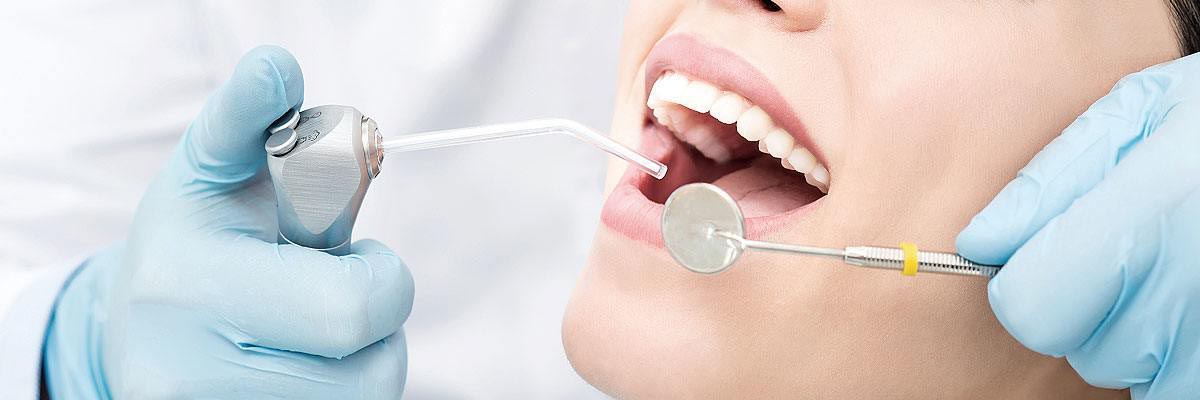
People choose esthetic dental procedures/surgery for various reasons—to repair a defect such as a malformed bite or crooked teeth, treat an injury, or just improve their overall appearance. Whatever the reason, the ultimate goal is to restore a beautiful smile.
For these and many other reasons, esthetic dentistry has become a vital and important part of the dental profession.
Common esthetic dental procedures can be performed to correct misshaped, discolored, chipped or missing teeth. They also can be used to change the overall shape of teeth—from teeth that are too long or short, have gaps, or simply need to be reshaped.
Some of the more common procedures involve:
- Bonding - A procedure in which tooth-colored material is used to close gaps or change tooth color.
- Contouring and reshaping - A procedure that straightens crooked, chipped, cracked or overlapping teeth.
- Veneers - A procedure in which ultra-thin coatings are placed over the front teeth. Veneers can change the color or shape of your teeth. For example, veneers have been used to correct unevenly spaced, crooked, chipped, oddly shaped or discolored teeth.
- Whitening and bleaching - As the term implies, whitening and bleaching, a rapidly increasing procedure, are used to make teeth whiter.
Which techniques should be used to improve your smile? A dental exam will take many factors into consideration, including your overall oral health.
Oral Surgery
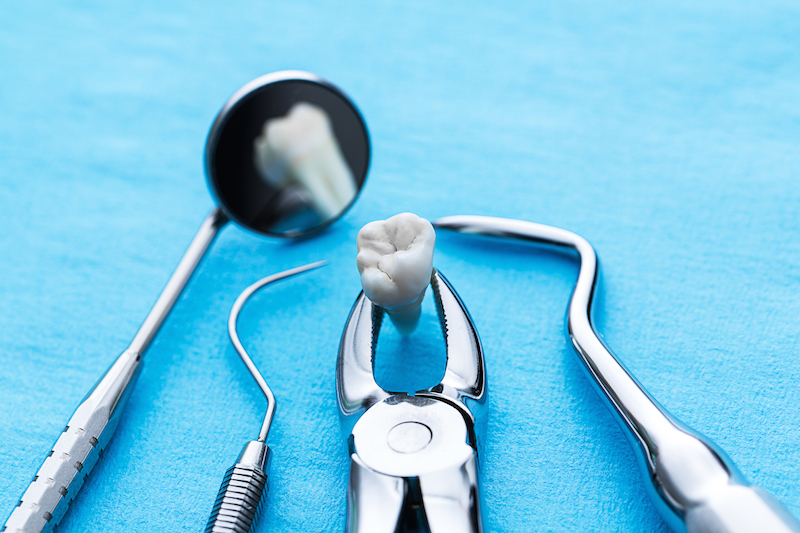
When facial reconstruction, including procedures involving the oral cavity, is called for, a specialist is needed. Surgical procedures of the neck and head area are performed by a maxillofacial surgeon.
Common maxillofacial procedures include denture-related procedures and jaw surgery.
Jaw Correction
Protruding chins, crooked or buck teeth or misaligned teeth are good candidates for maxillofacial surgery.In some people, jaws do not grow at the same rate; one may come in larger than the other, or simply not be aligned properly with other bony structures in the skull. This can cause problems other than appearance issues; an improperly aligned jaw can cause problems with the tongue and lips, and speech and chewing problems as well. Jaw surgery can move jaws into their proper place.
Other kinds of maxillofacial surgery can correct problems with upper facial features such as the nose and cheek.
In addition to correcting jaw problems surgically, orthodontic appliances such as braces may be needed to restore bite relationship and ensure continued proper alignment of the jaw. In some cases, tiny wires or small rubber bands may be needed to keep the jaws in place and promote faster healing. In other cases, small "fixation" screws or plates may need to be inserted in the jaws to facilitate easy movement of the jaws following surgery.
Denture Fatigue
People who have worn dentures for a long time can sometimes experience loss of gum tissue and even bone, mostly from the wear and tear of the appliance on the soft tissues of their mouth.In extreme cases, maxillofacial surgery, including bone grafts, manipulation of soft tissues or even jaw realignment, may be performed to correct such problems.
Periodontics
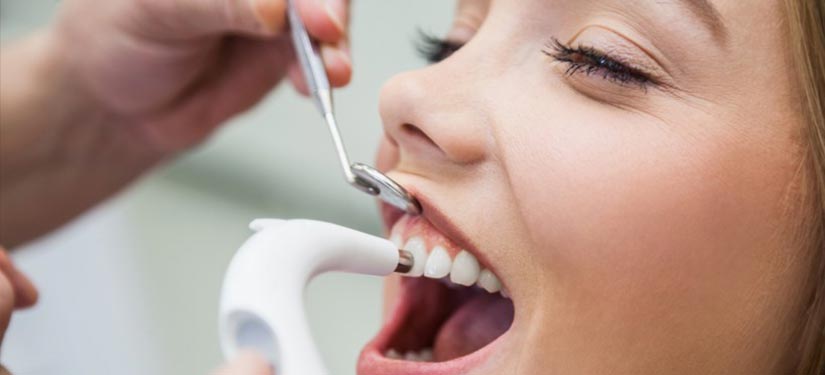
Periodontal exams are vital in the maintenance of your oral health as they are used to assess the health of your gums and teeth. They can help your dentist diagnose gum diseases, gingivitis and periodontitis. These exams can also reveal receding gums, exposed roots, tooth grinding and other problems, making periodontal exams vital to maintaining proper oral health. Regular dental exams are important as they can reveal evidence of gum disease in its early stages.
During your periodontal examination, your dentist will check:
- For any lumps or abnormal areas in the mouth
- Whether any of your teeth are missing or loose
- The color, texture, size and shape of your gums
- Whether you have fillings, crowns, bridges, dentures or implants
- How much plaque is on your teeth
- The depth of the space between your tooth and gum
Gingivitis is the first stage of periodontal disease that causes inflammation of the gums. Dental x-rays can determine if the inflammation has spread to the supporting structures on the teeth so treatment can be started to correct the problem. Periodontitis occurs when gingivitis goes untreated, which makes periodontal exams vital to preventing and putting an end to gum diseases.
Your dentist will complete a periodontal exam with each visit, emphasizing the importance of regular, routine visits to your dentist's office.
Implant Dentistry
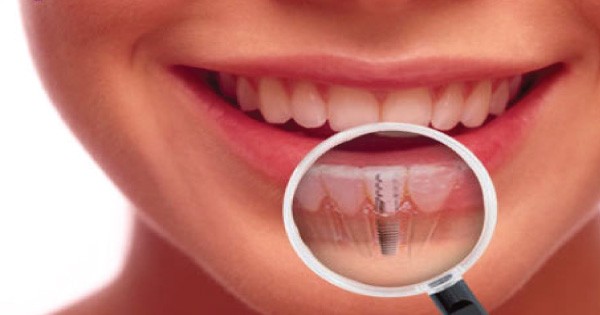
Before development of dental implants, dentures were the only alternative to replacing a missing tooth or teeth.
Implants are synthetic structures that are placed in the area of the tooth normally occupied by the root. Implants are anchored to the jawbone or metal framework on the bone and act as a foundation for an artificial tooth or permanent bridge. In some cases, implants can be used to attach dentures.
Not everyone is a candidate for a dental implant, however. For a successful implant to take hold, a candidate must have proper bone density and have a strong immune system. In all cases, dental implants require strict oral hygiene.
Implants are so well designed that they mimic the look and feel of natural teeth. Implants are usually made of a synthetic yet biocompatible material like metal or ceramic.
Surgery is necessary to prepare the area for an implant and place the implant in the mouth. Following the procedure, a period of time is required for the implant to take hold and for bone tissue to build up and anchor the device. In some cases, metal posts are inserted into the implant during a follow-up procedure to connect the tooth.
Because implants require surgery, patients are administered anesthesia and, if necessary, antibiotics to stave off infection following the procedure.
Like any restoration, implants require diligent oral hygiene and proper care to ensure they last a long time.
Root Canal Therapy
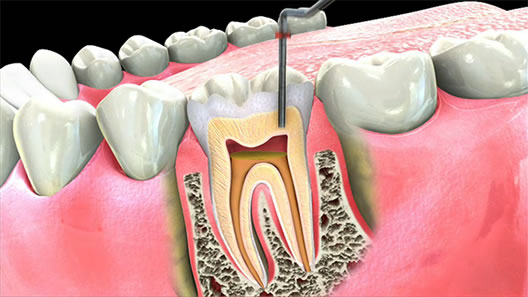
Root canals are tiny passageways that branch off from beneath the top of the tooth, coursing their way vertically downward, until they reach the tip of the root.
All teeth have between one and four root canals.
Many tooth problems involve infections that spread to the pulp, which is the inner chamber of the tooth containing blood vessels, nerves and other tissues. When the infection becomes worse, it can begin affecting the roots. A traumatic injury to a tooth can also compromise the pulp, leading to similar problems.
A diseased inner tooth brings a host of problems including pain and sensitivity as the first indications of a problem. However, inside a spreading infection can cause small pockets of pus to develop, which can lead to an abscess.
Root canal therapy is a remarkable treatment with a very high rate of success, and involves removing the diseased tissue, halting the spread of infection and restoring the healthy portion of the tooth. In fact, root canal therapy is designed to save a problem tooth; before the procedure was developed and gained acceptance, the only alternative for treating a diseased tooth was extraction.
Procedure
Root canal therapy usually entails one to three visits. During the first visit, a small hole is drilled through the top of the tooth and into the inner chamber. Diseased tissue is removed, the inner chamber cleansed and disinfected, and the tiny canals reshaped. The cleansed chamber and canals are filled with an elastic material and medication designed to prevent infection. If necessary, the drilled hole is temporarily filled until a permanent seal is made with a crown.
Most patients who have root canal experience little or no discomfort or pain, and enjoy a restored tooth that can last almost as long as its healthy original.
Dentures
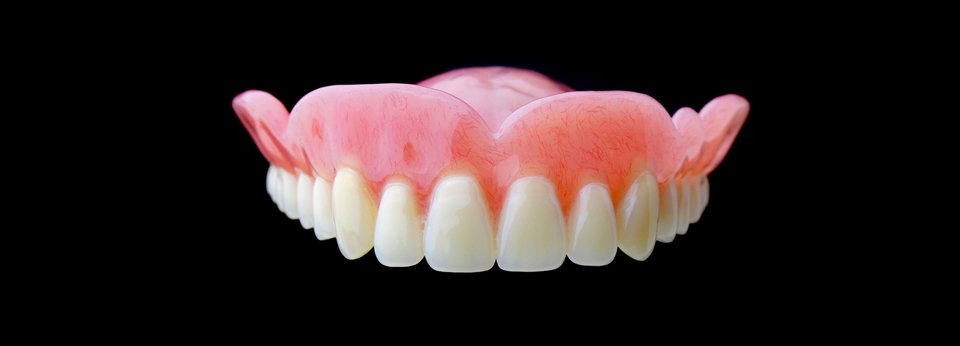
Dentures today are made from very advanced materials designed to give you a natural appearance.
However, keep in mind that just like your teeth, dentures should be cared for with the same diligence. This means daily brushing and regular visits to your dentist.
Regular visits to your dentist are critical. Your dentist also can make minor adjustments that ensure that your dentures continue fitting naturally and comfortably.
Just like natural teeth, dentures need to be cleansed of plaque, food particles and other debris. Keeping your dentures in top shape will also help keep the soft tissues of your mouth healthy; an unclean or malformed denture can cause infections and irritation.
Cleaning Techniques
Remember to rinse and brush your dentures after every meal, and soak them in denture solution overnight. This also allows your gums to breathe while you sleep.
Here are some simple techniques for keeping your dentures clean:
- People can brush their dentures in a variety of ways. Some people use soap and water or a slightly abrasive toothpaste. Popular denture pastes and creams also can be used.
- Avoid using highly abrasive chemicals or pastes, or vigorously brushing with hard bristled toothbrushes. These can scratch or even crack dentures.
- Hold your dentures gently to avoid loosening a tooth.
- Clean your dentures with cool or tepid water over a water-filled sink. Hot water may warp a denture. A small washcloth placed in the bottom of the bowl will ensure that your denture isn't damaged if it falls.
- Soak your dentures overnight in any commercially available product like Efferdent or Polident, and remember to rinse your dentures before placing them back in your mouth.
- Remember to use a separate toothbrush to clean your own natural teeth, as well as all of your gum tissues. In lieu of a toothbrush, a soft washcloth may be used to wipe your gums.
Dental Emergency

A knocked out tooth or bitten tongue can cause panic in any parent, but quick thinking and staying calm are the best ways to approach such common dental emergencies and prevent additional unnecessary damage and costly dental restoration. This includes taking measures such as application of cold compresses to reduce swelling, and of course, contacting our office as soon as possible.
Services
We offer exceptional service with complimentary hugs.
Hygiene and Preventive Care
Oral health is invaluable to one’s overall health. Poor oral hygiene practices and mistreatment of oral diseases can easily affect your quality of life.
Cosmetic and Restorative Dentistry
Cosmetic dentistry is dentistry aimed at creating a positive change to your teeth and to your smile.
Oral Surgery
Oral and maxillofacial surgery specializes in treating many diseases, injuries and defects in the head, neck, face, jaws and the hard and soft tissues of the oral and maxillofacial region.
Periodontics
Periodontology or periodontics is the specialty of dentistry that studies supporting
structures of teeth, as well as diseases and conditions that affect them.
Implant Dentistry
Implants are synthetic structures that are placed in the area of the tooth normally
occupied by the root. Implants are anchored to the jawbone or metal framework on the
bone and act as a foundation for an artificial tooth or permanent bridge. In some cases,
implants can be used to attach dentures.
Root Canal Therapy
Root canals are tiny passageways that branch off from beneath the top of the tooth,
coursing their way vertically downward, until they reach the tip of the root.
Dentures
A denture is a removable replacement for missing teeth and adjacent tissues. It is made
of acrylic resin, sometimes in combination with various metals.
Dental Emergency
Our goal is to help you to minimize the risk of emergency treatment. This is why we commit a
generous amont of time designing a Lifetime Treatment Plan that will help you to offset the
possibility of unforseen pain or tooth breakage.
Schedule an Appointment at Newtown Smile
To request appointment availability, please fill out the Appointment Request form. Our scheduling coordinator will contact you to confirm your appointment.
Patient Information
Downloadable Forms

Insurance and Payment Information
Payment options
- We are in network with the following PPO insurances.
- We accept all major credit cards.
- We offer interest free payment plans on extended treatments.
Appointment Request
Notes to the Doctor
FAQ
Frequent Asked Questions
- Are your offices accessible to patients with disabilities? Yes. Absolutely. Please let us know ahead of time if you would like us to make any special arrangements for you.
- Can my 16-year-old son bring his 5-year-old sister to her appointment? A parent or legal guardian must accompany anyone under the age of 18 during an office visit.
- How much is this going to cost me? Once you see your dentist and have a treatment plan, the office manager will provide you with detailed information about costs, financing alternatives, and insurance. As always, we do our best to find a price and a payment option that’s best for you.
- Is the dentist in the office licensed? Of course, each Newtown Smile dentist is fully licensed in the state.
- Can I schedule a first appointment just for a cleaning? Newtown Smile dentists believe in fixing problems, not overlooking them. An initial exam to check your oral health is the essential first step to giving you a healthy mouth. Based on your oral health, your dentist will create a comprehensive treatment plan. The hygienist will then quickly schedule your appointment for a cleaning.
- Will I need to make arrangements for pre-medication? Nope. The first visit for a new patient usually consists of X-rays, an examination by the dentist, and a consultation with the office manager to get all your questions answered. There are typically no procedures performed on your first visit.
- Do you accept Medicaid/Medicare, etc.? We do accept most of insurance plans, and offer a range of flexible, affordable payment plans. For more information on insurance and financing, please contact our office and staff will assist you.
- Do you treat children? Yes. Newtown Smile welcomes young patients from the age of six and up. It's important to start caring for your oral health early! All patients under the age of 18 must be accompanied by a parent or legal guardian during an office visit.
- Are you accepting new patients? Absolutely. As a new patient, your first appointment will include a comprehensive exam, and may include X-rays and a consultation with your office manager. They will answer all your questions, as well as go over your treatment plan, pricing options and will help you schedule future appointments.
- I'm pregnant, can I come in for a cleaning? Yes, oral health is extremely important especially during pregnancy. Prior to your first visit, you must obtain a release form from your doctor indicating that you can visit a dental office. We will not be able to take X-rays during your visit.
How do I schedule an appointment with an oral surgeon?
Come to or call office. They'll help you take care of everything.
"Visiting Bryson M. Filbert Jr., DMD gives my family and me more reasons to smile."






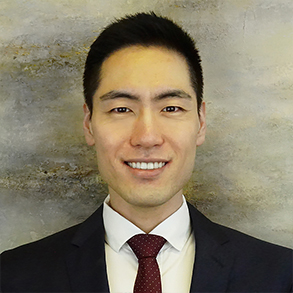
Sean Lee
DDS
Dr. Sean Lee grew up in Southern California and after undergoing graduate and post-graduate training in dentistry throughout the country, he resides in Connecticut with his wife. Dr. Lee is highly credentialed and skilled dentist who is attentive to details in order to provide excellent service to his patients. Dr. Lee has a passion for patient care and will go out of way to deliver treatments that are personalized for each individual.
Dr. Lee has received his B.S. degree in Management Science from University of California, San Diego and a second B.S. degree in Molecular Cell Biology with summa cum laude from California State University, Long Beach. After receiving his undergraduate degrees, Dr. Lee attended University of Michigan, School of Dentistry and shortly after completing his degree, Dr. Lee further continued his training by completing a post-graduate residency program in Advanced Education in General Dentistry at Tufts University and dental implant surgical training at Trinon Collegium Practicum.
Minimally invasive dentistry and patient comfort is a top priority for Dr. Lee. His area of expertise includes bonded cosmetic restorations, veneers, crown and bridge dentistry, dental laser treatment, root canal therapy, digital dentistry, clear aligner orthodontics, removal and fixed prosthesis, periodontal therapy, oral surgery, and dental implants.
When he is not treating patients at the private practice, Dr. Lee enjoys spending time with his wife visiting art galleries. He love to play basketball and maintains physical fitness at the gym. Dr. Lee is also proud to serve as a Captain in the Massachusetts Army National Guard. If he is not staying busy at home, Dr. Lee volunteers in mission trips around the world with previous visits to Mexico and Haiti to fulfill his passion for serving the need.
Dr. Lee welcomes new patients ranging from all ages at the Newtown office. Please contact the office to meet Dr. Lee and the entire friendly staff!
Memberships and Certifications:
- Connecticut State Dental Association
- Academy of General Dentistry
- American Academy of Cosmetic Dentistry
- American Dental Association
- Certified Invisalign provider
- CEREC CAD/CAM trained provider
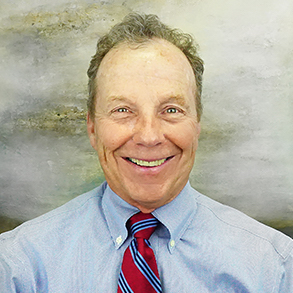
Bryson Filbert
DMD
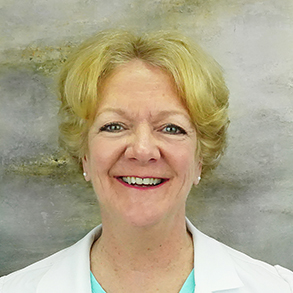
Peggy Wickman
Dental Hygienist
Born in Wisconsin. Currently a resident of Newtown since 1983. Happily married and have raised two incredibly talented daughters. My interests are music, cooking and a good book. I enjoy spending my free time out-of-doors; hiking, snow skiing, swimming and Scuba diving. Most days you can find me at work where I enjoy attending to the dental health needs of my wonderful patients as their hygienist.

Peter Kraus
Dental Hygienist
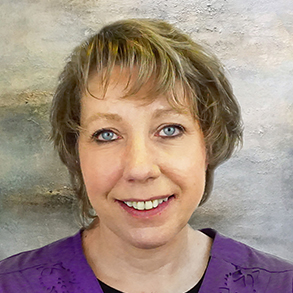
Tanya Kadar
Assistant
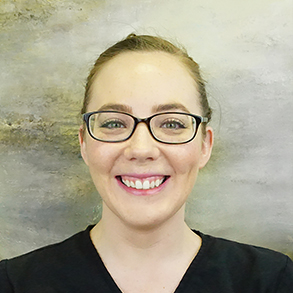
Emily Abbott
Assistant
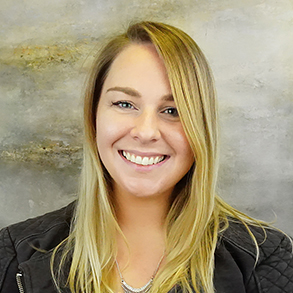
Katie Crandall
Administration
Katie is a Connecticut native who grew up in Washington, CT. Early on it was obvious that the biggest love in her life would be art. She spent her childhood painting, drawing and flipping through art books. Her passion took her to Pratt Institute for college in Brooklyn, NY where she studied fine arts and photography. She has also found a huge joy in helping others, and spent four years living in Dominican Republic providing education and healthcare to a small village near the Haitian border. As much as she has appreciated the opportunity to travel and live in one of the most amazing cities in the world, Connecticut has always felt like home. She now resides in Sandy Hook, enjoys cooking and hiking with her Australian Cattle Dog, Bandido.
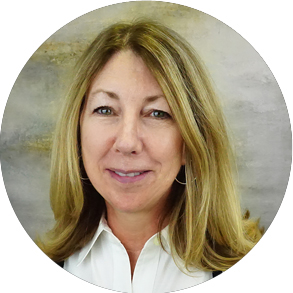
Sandy McKanna
Administration
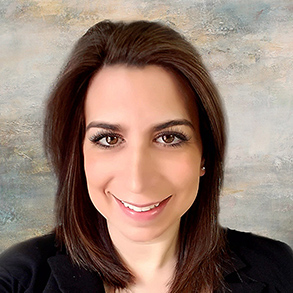
Lindsay Hausmann
Administration
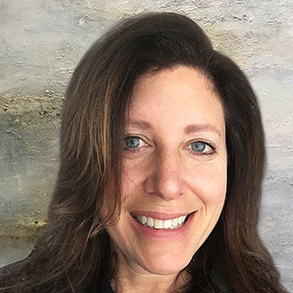
Kathleen Cole
Administration
I am a long time resident of Newtown, and have two daughters that attend UConn pursuing degrees in the sciences. This year I will be celebrating my 25th wedding anniversary. When I am not at work I enjoy creating art, collecting heart rocks, and spending time at the beach with my family and friends. Most recently I adopted two pigs, and they have brought me great joy. They live (outdoors) and have many (indoor) pet “siblings”, one dog, one cat, fish frogs and a hermit crab.
Norina Denning
Dental Hygienist
team
Take a closer look into our amazing team. We won’t bite.
News
Real Time Updates of Facebook and Instagram
Contact Our Office
Contact Information, Office Hours and Contact Form
Address:
34 Church Hill Rd.Newtown, CT.
06470-1642
Phone:
(203) 426-3310(203) 426-9279
(203) 426-9279 Fax
(203) 426-3310 After hours emergency hotline
email:
General information, electronic requests:info@newtownsmile.com
Billing inquiries:
billing@newtownsmile.com
Hours:
Monday: 8:00am - 5:00pmTuesday: 8:00am - 8:00pm
Wednesday: 8:00am - 5:00pm
Thursday: 8:00am - 5:00pm
Friday: 8:00am - 4:00pm
Saturday: Closed
Sunday: Closed